

Olive trees embody resilience and endurance, with their ability to regrow branches and fruit even after being cut or suffering harsh conditions. They symbolize hope and continuity, as seen in ancient 4,000-year-old trees that have witnessed millennia of human history.
I believe those individuals who choose to come to therapy are just like these magnificent trees - they are doing their utmost to push through the harsh conditions of today’s stressors, as well as their own past. No matter their age, status, ethnicity or background - anyone who takes that step has one thing in common—they’re already demonstrating strength.
Why Olive Trees?
“The cave you fear to enter holds the treasure you seek.”

“Finché c’è vita, c’è speranza” - “As long as there is life, there is hope”
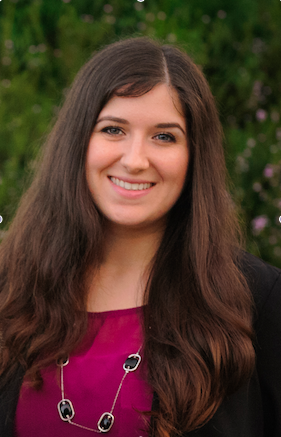
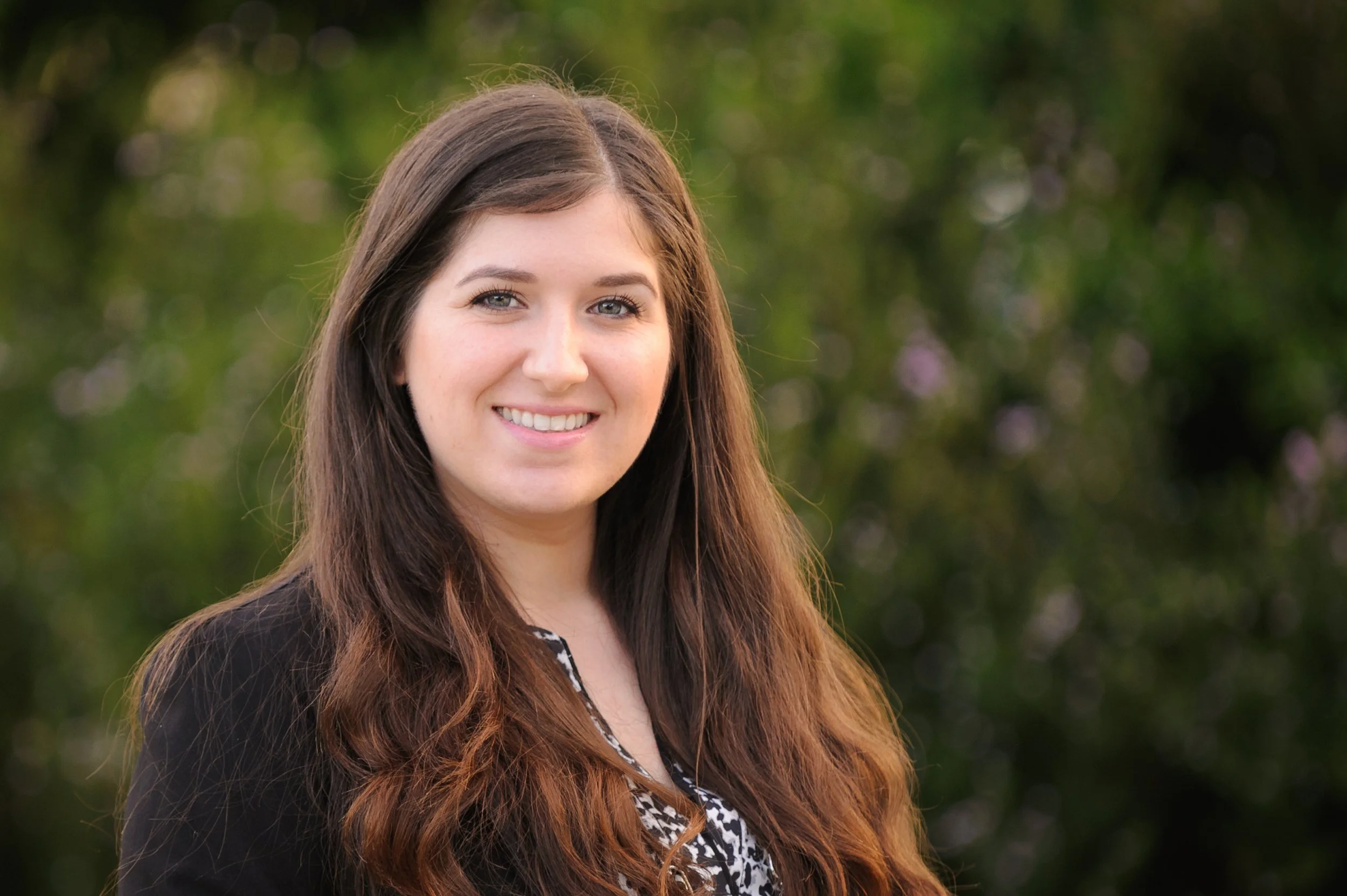
Dr. Micol Gonella
Licensed Clinical Psychologist / Founder of Olive Trees Therapy / PSY28522
Hello! I am Micol, a California-based licensed clinical psychologist providing therapy for children, teens, and adults.
I know firsthand how daunting it can feel enter into a therapeutic space and take the first step into looking inward and making changes. The idea of opening up and sharing our most vulnerable selves with someone we know seemingly nothing about can be unnerving to say the least. Whether we’re looking to start our own work or looking to find support for our child, spouse, relative, or friend - there is usually quite a bit of time and energy spent before landing on the right clinician, so let me share with you a bit about who I am.
I am a child of immigrant parents myself and I come from a blended family. My mother is from Europe, my father from the Middle East, and my dad, who raised me with my mom, is from Asia. I have relatives all over the world who all speak different languages, follow different religions and have many different cultural backgrounds and ideas. I absolutely believe that understanding ourselves comes from understanding how we fit into the intricate systems of our lives - including our family, our community, our culture, and even our ancestry. We are each an intricate tapestry of where we came from, what happened to us, who we are today and who we want to be.
“When we are no longer able to change a situation, we are challenged to change ourselves.”
I knew I wanted to study psychology from an early age. Having had a complicated personal family history, I often found myself being curious about the complex nature of the lives of those around me. I loved learning about people and understanding what made us both different and the same. I found comfort in the knowledge that each and every individual has difficulties, insecurities, fears, and challenges that they are continuously battling on a daily basis. The human condition, as they say, unites us all. Later I would learn that the act of identifying and openly speaking about these challenges had actually been proven to decrease the burden they place on us. “Mal comune, mezzo gaudio” is an Italian saying that roughly translates to “a trouble shared is a trouble halved,” and during the last decade I’ve spent doing this work, I’d say there’s no truer statement.
After graduating college, I began my graduate education and pursued my doctorate in psychology. I had the privilege of working with a huge variety of individuals, including children, teens, adults, and the elderly. I worked closely with the homeless population and chronically mentally ill, as well as in the school setting with young kiddos struggling with anxiety, self-harm and behavioral issues. I also worked with the geriatric and physically disabled population and completed my dissertation on the impact of living with blindness and diabetes in the Mexican immigrant community. I also worked for several years in the inpatient hospital and outpatient IOP settings, which gave me an inside look into the way the system is designed and a glimpse into both the success and challenges of such a system. For the last 10 years though, I’ve been working in a San Diego and telehealth based private practice setting specializing in a wide range of areas and enjoying all the brave and resilient individuals who’ve given me the chance to work with them.
“Alone, we can do so little; together, we can do so much.”
In creating Olive Trees Therapy, my hope is to continue my California based telehealth practice while offering a local option and allowing me the opportunity to assist my community in a more concrete way. I offer in person appointments and plan to hold several regular groups catering to various populations (stay tuned!).
I also offer talks at local schools and academic centers educating teens on topics such as navigating relationships, building assertiveness and communication skills, identifying values and visualizing career and future life paths, as well as how to prepare for the big transition of going to college and living away from home.
Thank you for taking the time to read this and I hope you stay tuned and reach out!

-
Finding the right therapist can feel a bit daunting - there is no “one size fits all.” A therapist is someone you share you’re most personal and private stories with; but it is also someone you’ve selected to help you deeply observe your inner self and assist you in pushing past your fears and obstacles. I believe an ideal therapist would help you in both these tasks and I always encourage clients to be transparent and honest when it comes to their search.
-
After sending me a message via our contact form, I’ll reach out and set up a time for us to talk via phone for 15min - this is our free consultation time. We will chat about what’s been going on and why you or your loved one are wanting treatment at this time. We will discuss fit, expectations, insurance/payment, and scheduling. If all goes well, we will proceed with sending out intake forms and setting up your initial appointment (usually a week after the consult call). Once you complete and send back the intake forms and insurance is verified, we will have our first meeting. The first session is a chance for us to get to know each other better and discuss what brings you to therapy in more depth. If the client is a minor, parents will be invited to attend the initial session as well. We’ll review all forms and discuss confidentiality and answer any questions. We will then talk about your goals, what’s been challenging, any symptoms that have been bothering you, and what you hope to achieve. Together, we’ll begin to shape a plan that feels comfortable and aligned with your needs.
-
The length of therapy varies depending on your goals, preferences, and the issues we’re addressing. Some individuals benefit from short-term therapy focused on specific concerns, while others prefer longer-term work for deeper understanding and change. We’ll check in regularly to make sure the process continues to meet your needs.
Head over to our FAQ page for more commonly asked questions about therapeutic style and process.